


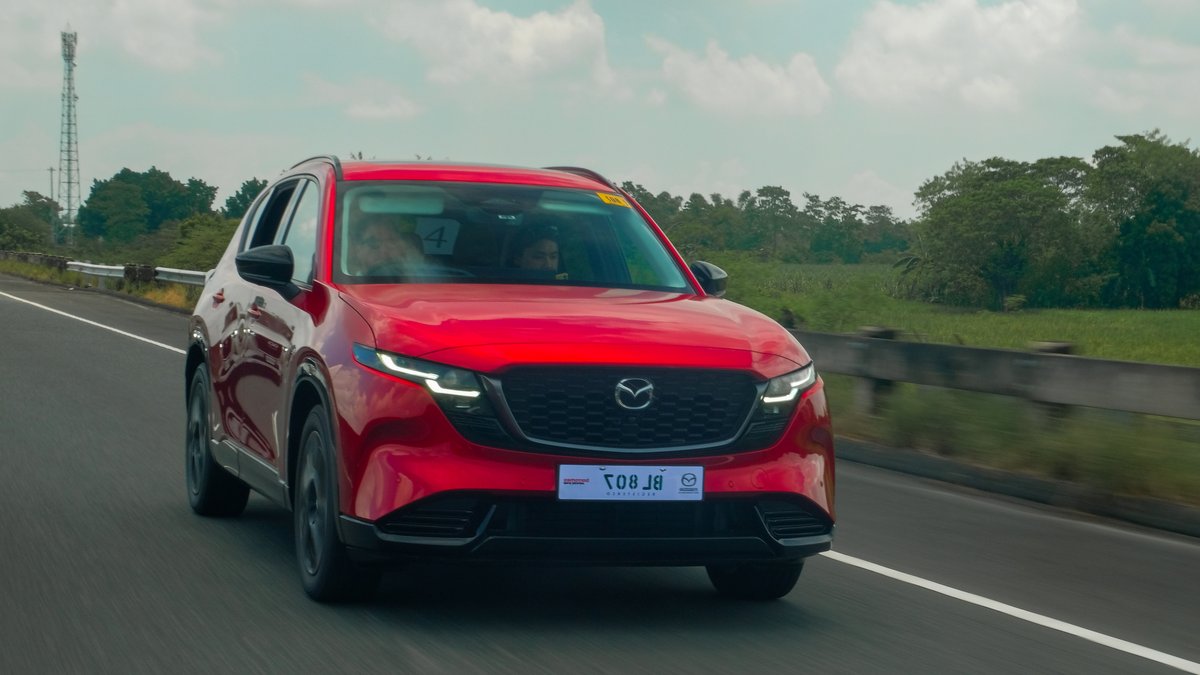
The Made in Japan label retains significant influence in the automotive market. For Mazda, this reputation stems from a blend of heritage and technological progress, even as some production moves overseas. The latest example is the third-generation CX-5, now offered as a hybrid electric vehicle (HEV) featuring an updated SkyActiv powertrain, refreshed interior, and a more refined exterior design.
However, questions persist about whether a Japan-made SUV like the CX-5 can remain competitive in a market saturated with more affordable Chinese alternatives. Additionally, the effectiveness of Mazda’s hybrid system compared to rivals remains under scrutiny.
A Design That Avoids Polarizing Trends
The CX-5’s styling takes a measured approach, steering clear of the industry’s more aggressive design trends. Mazda refined its Kodo design language, retaining familiar elements like the signature grille while introducing subtle updates. The LED taillights, characterized by their L-shaped design and thick lighting elements, enhance the rear’s premium appearance. In fact, removing the badges could lead some to mistake it for a BMW, an unusual compliment for a crossover.
The front end balances familiarity with modernity. New LED headlights and daytime running lights replace the previous generation’s more aggressive styling, giving the vehicle a sharper, contemporary look. The Premium Plus trim further raises the SUV’s positioning with gloss black 19-inch alloy wheels and 225/55-series tires.
A Hybrid System That Prioritizes Driving Experience Over Efficiency
The CX-5 AWD HEV’s powertrain reveals a clear trade-off between performance and efficiency. Under the hood, a 2.5-liter SkyActiv inline-four pairs with an updated 6-speed automatic transmission and paddle shifters, producing 181 horsepower and 242 Nm of torque. Sport Mode enhances output, but the core limitation lies in the M Hybrid system itself—a 24V setup with a small electric motor and battery that delivers minimal electric assistance.
Competitors such as the Kia Sportage Turbo Hybrid, Nissan X-Trail e-Power, and Toyota RAV4 HEV demonstrate more advanced hybrid architectures. Even plug-in hybrids from brands like BYD, Chery, and Geely surpass the CX-5 in both power output and efficiency. Mazda’s approach emphasizes responsive handling and driver engagement over maximum fuel savings, but this choice creates a noticeable gap in performance comparisons.
On the road, the hybrid assist provides only modest support, particularly on inclines. The 6-speed automatic transmission, however, delivers sharp, predictable shifts, and the Manual Mode option allows drivers to fully engage with the naturally aspirated engine. Unlike newer 8- or 10-speed units, this transmission avoids gear-hunting frustration, making it unusually engaging for a crossover.
Read Also: XPeng Launches Six-Variant Lineup in Philippines
Mazda’s strategy focuses on driving enjoyment over fuel efficiency. The AWD system and Toyo Proxes Sport tires combine to deliver exceptional grip and responsiveness. Even with three passengers and luggage, the CX-5 maintains precise cornering. The suspension smoothly absorbs road imperfections, blending comfort with agility.
Yet the hybrid powertrain remains the weakest aspect. The SkyActiv engine’s torque curve peaks at 4,000 rpm, requiring active driver input to maximize performance. Without additional power or a larger battery, the CX-5 HEV risks feeling outdated in an era where electrification dominates discussions.
Cabin Refinement With Minor Compromises
The interior reflects Mazda’s careful balance between tradition and innovation. The touchscreen infotainment system, replacing the brand’s signature rotary dial, surprises with its user-friendly shortcuts. While enthusiasts may miss physical controls, the system adapts well to daily use. The ventilated tan leather seats, Bose 12-speaker audio system, and NVH deadening reinforce the premium feel expected from a Japan-made vehicle.
However, not everything meets the same standard. The steering wheel buttons for infotainment and driver aids feel less premium, and the rear seat cushions, designed for extra legroom, reduce thigh support, particularly for taller passengers. These are minor drawbacks in an otherwise well-executed cabin.
The CX-5 AWD HEV Premium Plus starts at a competitive price, positioning it as a luxury crossover. Its handling, ride comfort, and styling justify the investment for driving enthusiasts. However, buyers prioritizing efficiency may find the hybrid system lacking. Mazda’s decision to emphasize road manners over fuel savings may not appeal to everyone, but for those who value precision and refinement, the CX-5 remains a strong choice.
Mazda’s Production Shift and the Persistence of Japan’s Manufacturing Appeal
The association between Japanese-made products and quality remains strong in consumer perception. Even when models like the Mazda BT-50 and Mazda2 are manufactured in Thailand, the majority of Mazda’s lineup, including the Mazda3, CX-8, CX-30, CX-60, CX-90, and MX-5, continues to be produced in Japan. This distinction reinforces the brand’s reputation for engineering and craftsmanship, despite some production moving overseas.
Key Limitations of the CX-5
Fuel consumption figures further illustrate the gap. In mixed driving conditions, the CX-5 managed 14 km/L, improving slightly to 16 km/L on highways, far behind competitors that achieve over 15 km/L in city driving and 25 km/L on open roads. The hybrid label in this case functions primarily as a marketing tool rather than a practical advantage. Mazda’s focus on driving engagement over efficiency may not satisfy buyers seeking advanced electrification, particularly in a market where Chinese plug-in hybrids offer superior range and power.


