


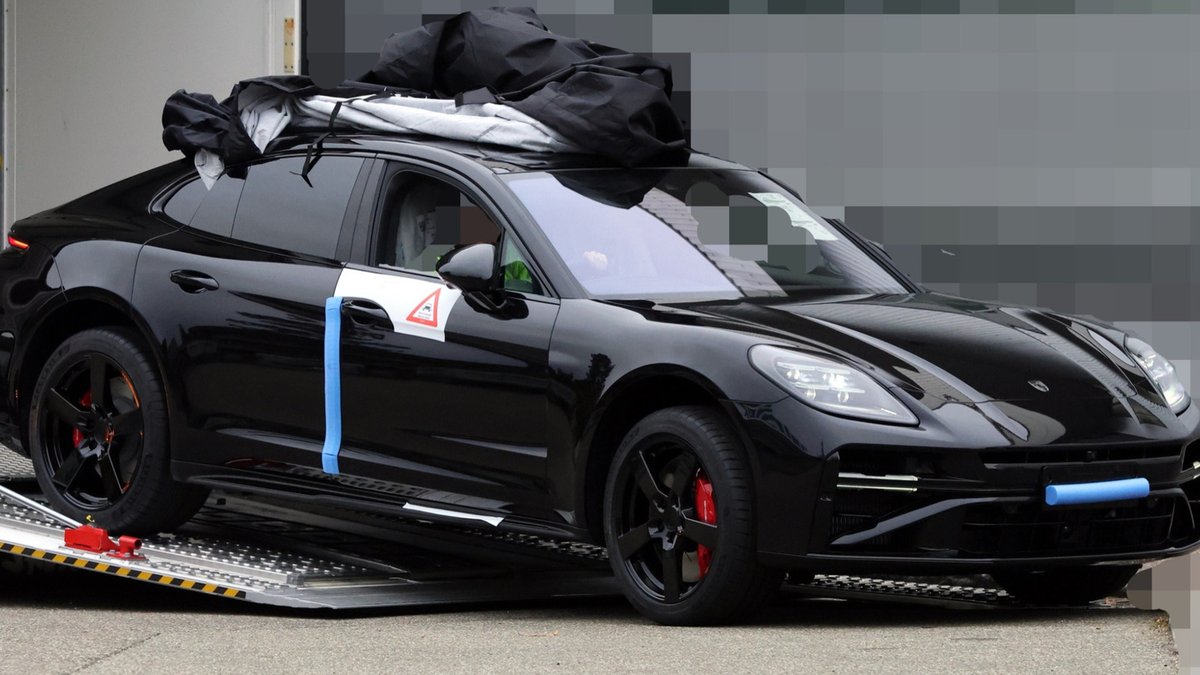
Porsche is preparing a facelift for the Panamera sedan, aiming to reverse a 38% sales drop in the first half of 2026. The sporty GTS version was recently spied testing, and new, clear images reveal lower trim levels, including a gasoline model and a hybrid, without any camouflage. This lack of disguise suggests a debut is imminent, likely for the 2028 model year. Unlike brands that lurch from one styling trend to another, Porsche’s design philosophy evolves so slowly it makes glaciers look fast-moving, which is why the profile of a modern 911 is almost exactly the same as the first one’s 63 years ago.
The changes are subtle. From the front, the headlights, daytime running lights, and bumper shape are nearly identical. The most noticeable difference is that the base model features a horizontal bar, while the GTS has a fatter, vertical element. At the rear, the GTS has an aggressive bumper with large side vents, whereas the more affordable hybrid adopts a narrower, minimalist look.
A Subtle Refresh for a Struggling Model
Both the hybrid and GTS prototypes have two pairs of round tailpipes. The hybrid’s rear undertray is mostly smooth, while the GTS has a design element meant to resemble a diffuser. The long, narrow LED taillight strip remains unchanged from the current car.
Read Also: Moisture buildup in car headlights explained
The Panamera’s sales decline is significant. The brand sold just 9,308 units in the first six months of 2026. Porsche hopes this update can help the sedan regain its footing in a competitive market. The company’s design philosophy is known for slow evolution, and this facelift is no exception, focusing on subtle refinements rather than a radical redesign.
Can a Small Update Make a Big Difference?
The current Panamera received a major overhaul for the 2024 model year. This facelift appears to be a mid-cycle refresh to keep the sedan competitive. The subtle changes to the front and rear bumpers may not be enough to dramatically shift sales figures. The Panamera faces the challenge of competing against a growing field of luxury electric sedans, including its own fully electric Taycan. Porsche’s strategy of slow, deliberate design changes may not be enough to stop the sales slide without more significant innovation.


