


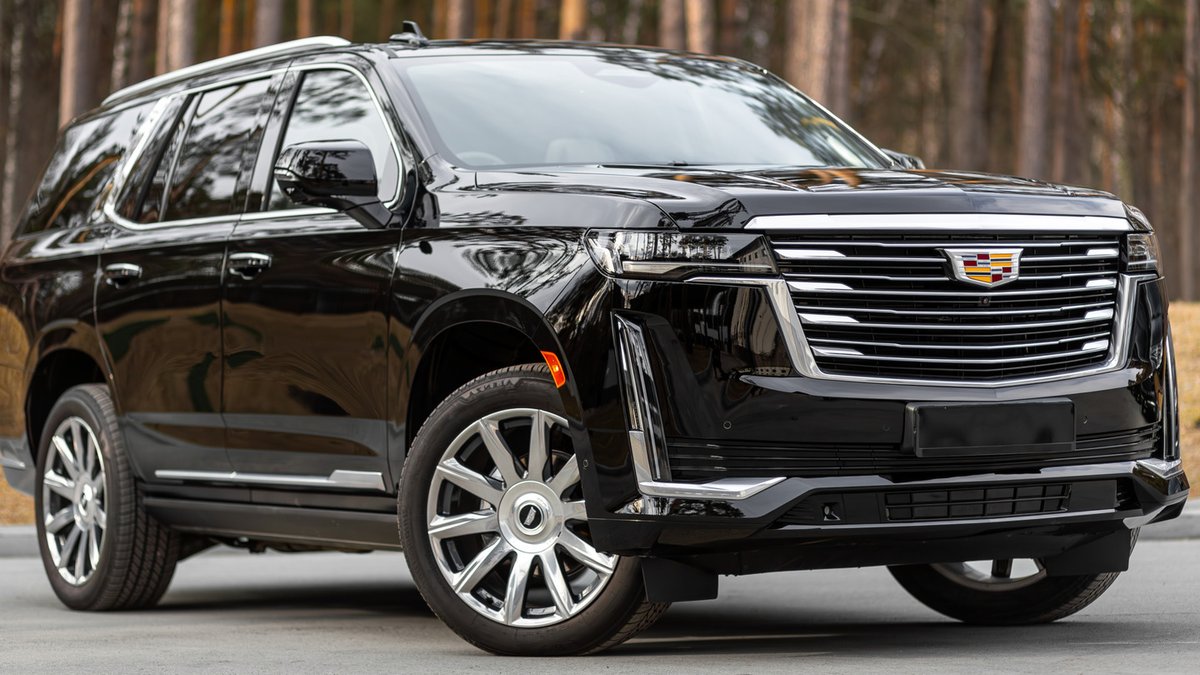
General Motors has secured a patent that could let future cars automatically change camber and ride height to keep traction when the road threatens to pull the vehicle sideways.
Patent aims to curb traction steer
The filing, identified as US 12,780,181 B1 and published on November 3, details a system designed to counteract “traction steer,” a condition where uneven tire grip makes a vehicle drift unintentionally.
Traction steer typically appears during hard acceleration or sudden braking, when the left and right wheels experience different friction levels and the car begins to yaw.
According to the patent, the technology predicts such events before they occur, then uses adjustable suspension, active camber, and steer-by-wire actuation to keep the vehicle stable.
To generate predictions, the system relies on a forward-facing camera that scans the road surface ahead and matches the visual data with stored digital map information.
An inertial measurement unit and a steering-rack force sensor cross-check the camera’s assessment, confirming whether the upcoming surface could destabilize the car.
All sensor inputs are processed in real time, allowing the controller to issue corrective actions milliseconds before a loss of stability would be felt.
One corrective method involves raising the left side of the chassis, which transfers additional load to the right-hand tires, thereby improving grip where it is needed most.
Similarly, lifting the front suspension can shift weight toward the rear axle, helping the vehicle maintain balance on uneven or slippery sections.
How the system works
The patent envisions corner-specific adjustments, meaning each wheel could be raised or lowered independently based on localized grip conditions.
Read Also: Porsche Panamera Facelift Spied
Steer-by-wire technology, already present in a few production models, provides a variable steering ratio that lets the controller make minute wheel-angle changes without driver input.
For example, a small 0.5-degree turn at the front wheels could be countered by an opposite tweak at the rear, neutralizing forces that would otherwise cause a drift.
Camber control is another key element; the system can alter the angle at which a tire tilts relative to the road, a parameter traditionally fixed during alignment.
By dynamically adjusting camber, the vehicle can maintain optimal tire contact patches whether it is cornering or traveling straight, enhancing overall grip.
Active suspension concepts have appeared in high-performance models, but using them to redistribute load in response to predicted traction loss is a novel application.
The patent’s Figure 1 illustrates a sedan equipped with a dense network of sensors, communication links, and actuators that together form the predictive control loop.
Potential impact
If brought to market, the technology could give performance cars sharper handling by keeping more tire rubber on the road during aggressive maneuvers.
In everyday driving, the same adjustments might reduce tire wear, since the system would avoid excessive camber angles that normally accelerate tread degradation.
However, the filing does not name any specific model, and GM has not announced a timeline for production implementation.


