


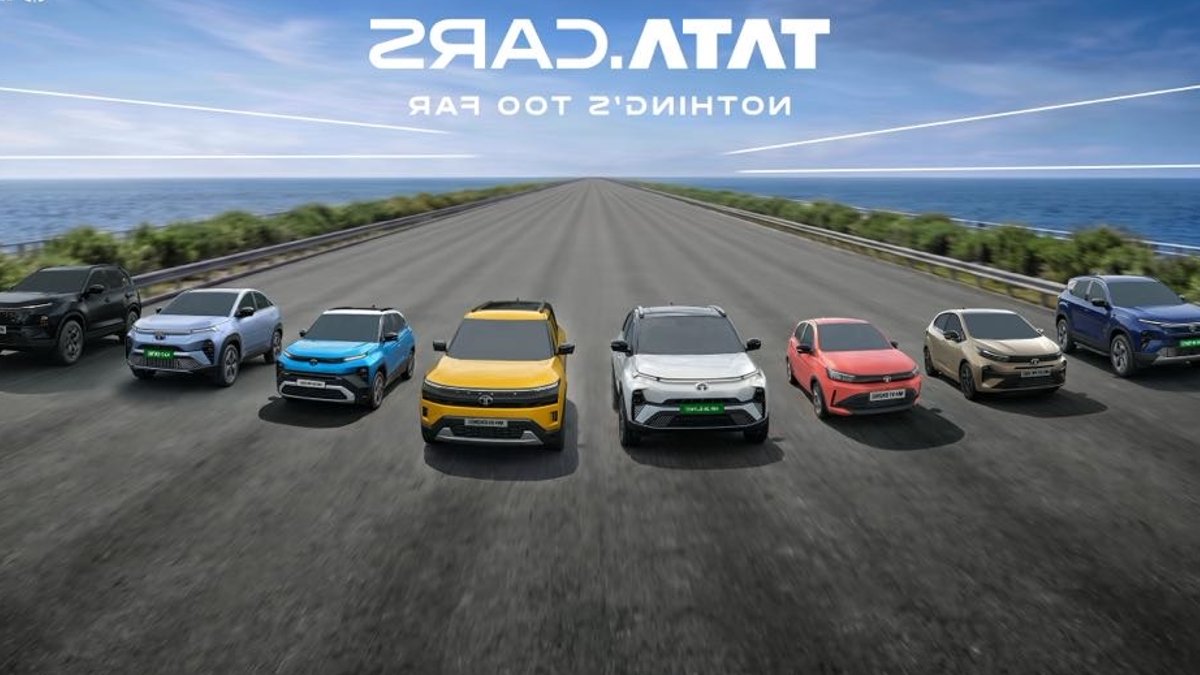
Tata Motors has launched Tata.Cars as the new customer-facing brand for its passenger vehicle business in India. The umbrella name will cover petrol, diesel, and electric models, though Tata.ev will continue operating as a separate electric vehicle sub-brand.
The change is largely cosmetic. Tata Motors Passenger Vehicles will remain the registered legal entity used for regulatory filings, manufacturing operations, contracts, and other statutory requirements. The new name does not create a separate company or alter existing corporate structures.
According to the company, the identity reflects how customers in India already describe the brand’s passenger vehicles. The term “Tata cars” had become common shorthand for the range, making the formal adoption a natural step.
Alongside the new name, Tata Motors is rolling out a refreshed visual identity built around a philosophy called Parallel Pathways. Ambition Blue serves as the primary brand color, while a custom typeface called Parallel Display will appear across communications. A new sonic identity is also part of the package, though specific audio elements were not detailed in the announcement.
The design elements will appear gradually across customer-facing channels over the coming months.
Dealerships are expected to begin receiving the revised identity in the near term. The rebranding will extend to service centers, after-sales facilities, digital platforms, and product-related communications. Customers will encounter the Tata.Cars name more frequently as the transition moves forward.
Tata.ev remains positioned as the dedicated brand for electric vehicles but now falls under the broader Tata.Cars umbrella. Conventional internal combustion engine vehicles and electric models alike will carry the new identity.
For industry observers, such rebrands often signal a manufacturer’s intent to present a unified face to consumers while keeping specialized divisions intact behind the scenes. This approach lets companies test new market positioning without disrupting established legal frameworks or supply chain arrangements.
The rollout strategy prioritizes gradual implementation rather than a sudden nationwide switch. Advertising campaigns, dealership signage, and online platforms will all transition on a rolling schedule. No timeline for full completion was disclosed.
The automotive sector has seen several recent shifts regarding fuel standards and energy sources. One specific development involved government regulators tightening fuel quality checks due to concerns over E20 blends. This focus on fuel composition highlights the broader industry movement toward cleaner energy options.
Government authorities have implemented stricter measures to ensure fuel meets required specifications. These steps aim to protect vehicle engines and improve air quality across the country. The initiative demonstrates how regulatory bodies adapt to evolving technological standards.


