


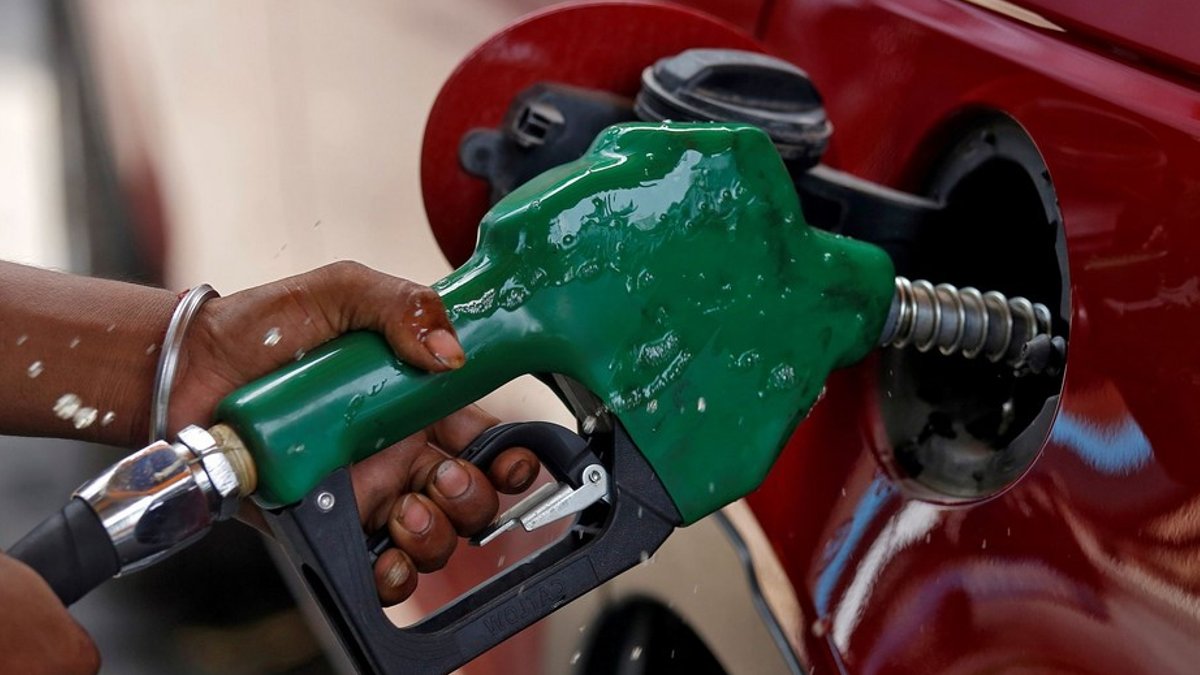
India’s fuel retail network is facing heightened scrutiny after the Ministry of Petroleum and Natural Gas moved to tighten quality checks on petrol stations nationwide. The move follows reports of contamination in E20 petrol, prompting officials to halt sales at more than 2,500 outlets found to be non-compliant.
Inspections target supply chain weaknesses
Oil marketing companies have been ordered to conduct frequent checks for water ingress in underground storage tanks, with testing reportedly happening between eight and 12 times a day across 88,995 dealerships. A broader audit has covered 84,687 fuel stations, with older outlets receiving particular attention. Field teams are also examining underground tanks during rainfall, when water ingress risks can be more easily identified. Automation and monitoring systems are operational at 85,649 outlets, with malfunctioning equipment being repaired on priority, according to the ministry.
Related: Speed test my internet
Automakers have conducted their own fuel-sample testing as concerns have grown. According to data reviewed by Reuters, Maruti Suzuki, Tata Motors and Mahindra & Mahindra collectively tested more than 250 samples collected from petrol stations across 21 states and Union territories. The findings reportedly showed significant variations in chloride and water levels between regions, with chloride concentrations exceeding the 3ppm limit used in industry procurement specifications in several locations. Rajasthan reportedly recorded chloride levels ranging from 6ppm to 570ppm, while samples from Delhi-NCR were reported to range between 1.4ppm and 420ppm. Madhya Pradesh recorded readings between 4.1ppm and 550ppm. In contrast, samples tested in Karnataka and Kerala reportedly remained between 1ppm and 2.2ppm.
Water contamination was another area of concern. Testing reportedly found water levels reaching 13,000ppm in Andhra Pradesh and 12,500ppm in Uttar Pradesh, compared with the 3000ppm level cited as permissible. The regional variation suggests that any problems may not be uniform across the E20 supply network and could potentially be linked to storage, transportation or handling conditions at individual locations.
Related: Mahindra launches BaaS for BE 6 XEV 9S
Regulatory gap identified in standards
One of the central issues emerging from the controversy is the distinction between E20 as a fuel blend and contamination within that fuel. While industry procurement specifications used by petroleum companies and ethanol suppliers reportedly place a 3ppm ceiling on chloride, the Bureau of Indian Standards does not currently have a specific statutory limit for inorganic chlorides in finished ethanol-blended petrol. This creates a regulatory gap between procurement requirements and mandatory standards applicable to fuel sold at retail outlets.
Industry stakeholders have therefore called for clearer and enforceable chloride limits for finished ethanol-blended petrol, along with stronger monitoring throughout the supply chain. The government’s latest inspection drive appears aimed at addressing some of these concerns by checking tanks, dispensing infrastructure, tankers and fuel samples rather than focusing solely on the ethanol blending process.


