


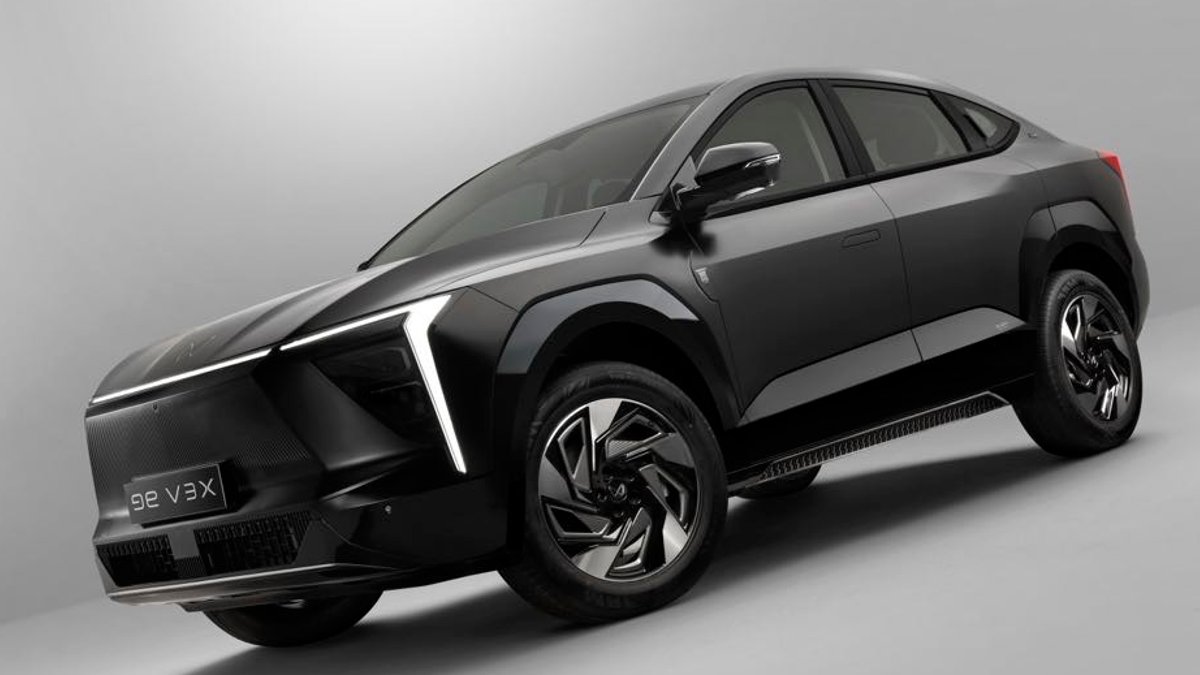
Mahindra has rolled out its Battery-as-a-Service (BaaS) option to every model in the Electric Origin SUV line, letting buyers of the BE 6 Sporteq, XEV 9S and XEV 9e separate the pack cost from the vehicle price.
Pricing and payment details
The BE 6 Sporteq is priced at Rs 11.45 lakh, while its battery pack is billed separately at Rs 3.75 per km. The XEV 9S begins at Rs 12.65 lakh under the same arrangement, and the XEV 9e starts at Rs 13.90 lakh. Both models share the identical per‑kilometre rate.
Under the BaaS structure, the monthly EMI for the pack starts at Rs 6,975. That calculation assumes a daily drive of roughly 60 km and a specific down‑payment. Choosing a larger capacity, increasing the upfront payment, or extending the term will adjust the amount.
These figures may sound unusual, but they follow a straight‑line usage model that the company says reflects typical city driving.
How the model works
Instead of bundling the battery into the sticker price, Mahindra lets owners pay for the energy unit only as they use it. The approach aims to lower the upfront cash outlay, a barrier for many prospective electric‑vehicle shoppers. The quoted per‑kilometre cost excludes electricity, routine servicing or any repair work.
Because the BaaS programme now spans the full SUV range, customers can pick a body style and price point that fits their budget while still opting for the usage‑linked payment method.
Related: The Role of Pharmacists in Indonesia: Challenges, Responsibilities, and the Future
The scheme targets city drivers.
Market context and consumer choice
The expansion arrives as several manufacturers experiment with alternative pricing structures for electric vehicles, where the battery often accounts for a sizable slice of the total cost. By decoupling that component, the company joins a growing list of firms testing subscription‑style or lease‑based solutions.
Analysts say such models can make electric mobility more accessible, especially in markets where financing options are limited. They caution buyers to compare the total cost of ownership under BaaS with a traditional purchase, taking into account local electricity rates and expected mileage.
Mahindra’s filing notes that the BaaS option does not include any subsidies or government incentives that may be available for outright electric‑vehicle purchases. Those benefits, where present, would apply only to the vehicle itself, not to the separate pack payment.
Potential buyers should also consider the resale value of a vehicle tied to a usage‑linked service. While the lower entry price may be appealing, the long‑term financial picture will depend on how the service terms evolve and whether the provider continues to support the pack after the original contract ends.


