


Electric vehicles (EVs) retain 78% of their range at 32°F, according to a study by Recurrent, a Seattle-based clean tech and software company specializing in EV battery health analysis. This finding directly counters the widespread myth that EVs lose all charge in cold weather, a misconception often perpetuated by non-scientists.
How Cold Weather Affects EV Range
Recurrent’s study, based on data from 59,000 vehicles across 43 models, reveals that while EVs do experience some range loss in cold temperatures, the effect is less severe than commonly thought. Andrew Garberson, Recurrent’s Head of Growth Research, stated that “People assume that electric cars just can’t handle the cold weather, and that’s not the case.” The company gathers real-world data, including temperature, age, and charging habits, directly from EV owners who enroll their vehicles in the study.
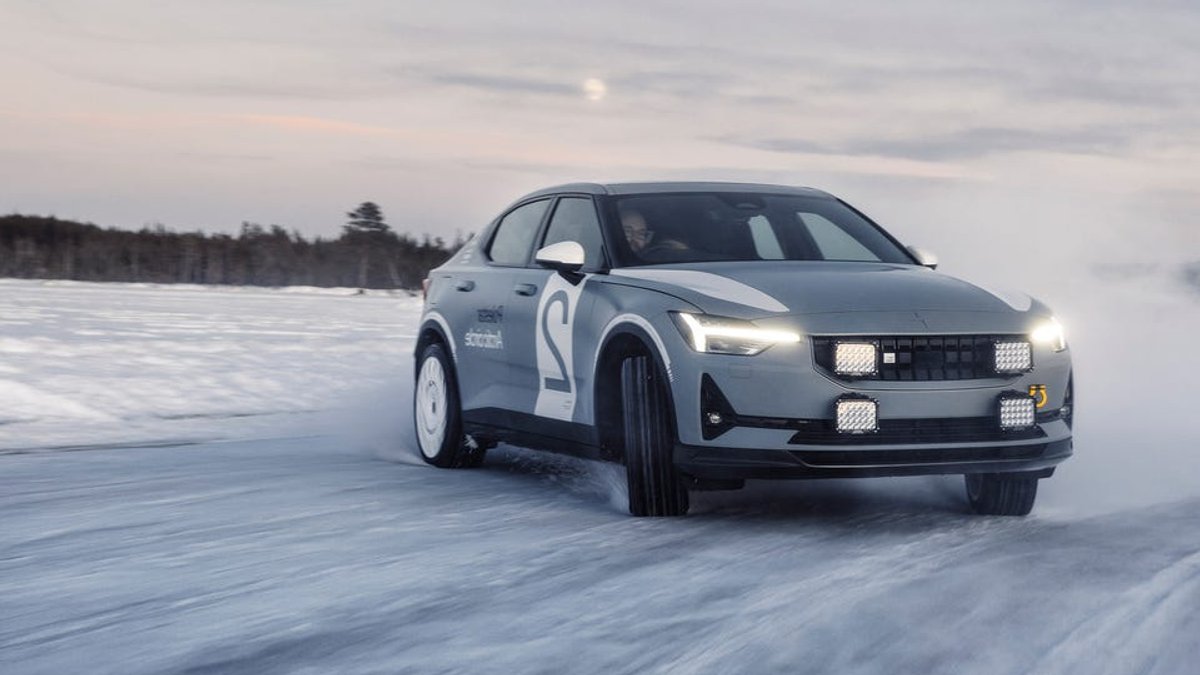
The research found that the Polestar 2 leads with 88% range retention at 32°F, surpassing Tesla as the top-performing brand. Tesla follows closely, averaging 85% across five models, with the Model S reaching 90% when equipped with a heat pump. At the lower end, the Toyota bZ4X retains only 70%, the lowest among the models studied, though Toyota has since updated this model.
Heat Pumps and Winter Performance
Heat pumps add up to 8% more range at 32°F. The advantage shrinks as temperatures drop and is about one point by 0°F. This year’s study expanded its database by adding 10 new models, with plans to include nine more, such as the Rivian R2 and Hyundai Ioniq 9, once sufficient cold-weather data is collected in January.
Impact on Drivers
For most EV owners, a 15–20% range reduction in cold weather is manageable, particularly with home charging. Garberson explained that “Maybe it’s one more charging session per week.” However, the impact becomes more noticeable during winter road trips. Garberson shared that “I did a 12-hour drive two years ago when it was 20–30 degrees outside most of the day, and that meant one to two more short charging stops than if it were 70 degrees, so it was something I needed to factor into the travel time.”


