


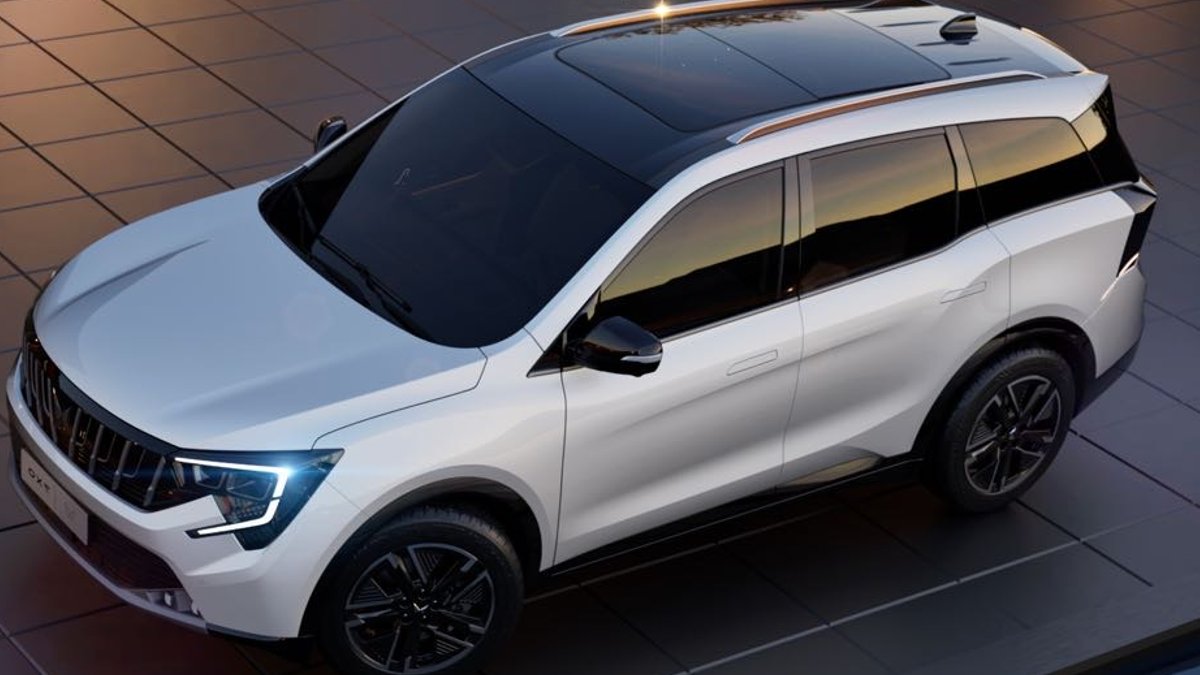
Mahindra is evaluating several electrified powertrain options for its SUV range, although the company has not confirmed whether the upcoming Scorpio Lifestyler pickup will receive a hybrid or electric powertrain. The Scorpio Lifestyler, scheduled for release in April 2027, will launch with traditional internal combustion engines. Confirmed powertrain options include Mahindra’s 2.2-liter turbo-diesel and 2.0-liter turbo-petrol engines, with no plans for electrified variants at this stage.
Sachin Arolkar, head of International Operations, indicated that a fully electric configuration is not currently being pursued for the pickup segment. Asked about the possibility of a hybrid version of the Scorpio Lifestyler, Arolkar suggested that more information would have to wait, without confirming such a model. This leaves the door open for a hybrid Lifestyler in the future but there is currently no official confirmation that one is under development or when it could arrive.
The XUV 7XO, a cornerstone of Mahindra’s SUV lineup, will introduce a full-hybrid system. This technology differs from a conventional hybrid because the combustion engine is primarily used as a generator to produce electricity, rather than being the main source of mechanical drive to the wheels. The setup can allow the vehicle to operate primarily using electric propulsion while combining it with an internal-combustusion engine when required.
Read Also: Kia Sorento Enters India at Rs 27.99 Lakh
Mahindra is also understood to be working on a range-extender powertrain for the XEV 9e. This technology differs from a conventional hybrid because the combustion engine is primarily used as a generator to produce electricity, rather than being the main source of mechanical drive to the wheels. The setup can allow the vehicle to operate primarily using electric propulsion while the engine provides additional energy when the battery requires it.
Australia serves as a test case for resistance to electrification in pickup trucks. Competitors such as BYD and Ford have introduced hybrid alternatives like the Ford Ranger PHEV, yet diesel engines continue to appeal to buyers who prioritise towing capability, long-distance driving and heavy-duty use. Mahindra’s hesitation to electrify the Scorpio Lifestyler reflects a cautious approach, favoring established technology while leaving room for future hybrid adaptations.
SUVs Lead Mahindra’s Hybrid Charge
Mahindra’s SUV segment, however, is where electrification is progressing most clearly. The XUV 7XO hybrid will integrate a full-hybrid system, combining electric propulsion with a combustion engine to improve efficiency without full battery dependence. This approach targets consumers wary of fully electric vehicles but willing to adopt solutions that reduce emissions and fuel consumption. Unlike mild hybrids, which offer limited electric assistance, the XUV 7XO hybrid can operate in electric-only mode under specific conditions, bridging the gap between conventional and fully electric vehicles.
Read Also: Kia Sorento Enters India at Rs 27.99 Lakh
The XEV 9e may adopt a range-extender powertrain, a less common but practical solution for regions with underdeveloped charging infrastructure. In this setup, the combustion engine generates electricity on demand rather than directly powering the wheels, allowing the vehicle to run primarily on battery while extending range for longer trips. This strategy aligns with Mahindra’s goal of providing flexible electrification options beyond pure electric vehicles.
India’s Market Shift Favors Flexible Electrification
India’s SUV market is undergoing rapid transformation, with established players like Toyota and Maruti Suzuki already offering hybrid models. Mahindra’s introduction of both full-hybrid and range-extender technologies demonstrates its response to shifting consumer preferences. The XUV 7XO hybrid appeals to buyers seeking efficiency without charging limitations, while the potential XEV 9e range extender could attract those who prefer electric driving but require backup power for extended journeys.
A range-extender version of the XEV 9e would differ from conventional hybrids, where the combustion engine assists mechanical propulsion. Instead, it would function as an on-demand electricity generator, minimizing reliance on external charging. This could be particularly advantageous in markets where fast-charging infrastructure is limited, though Mahindra has not yet provided technical details or a launch timeline for this technology.
Read Also: Kia Sorento Enters India at Rs 27.99 Lakh
Pickups Lag as Tech Tests Limits
The distinction between Mahindra’s SUV and pickup electrification strategies shows a measured approach. While the Scorpio Lifestyler will initially rely on traditional powertrains, the SUV lineup is where electrification is advancing. This segmentation allows Mahindra to address current market demands while maintaining flexibility for future adjustments as consumer preferences and infrastructure evolve.
Hybrid and plug-in hybrid SUVs are gaining global momentum, but adoption in India remains varied. Full hybrids, plug-in hybrids, and electric vehicles each serve distinct needs—efficiency, extended range, and zero emissions—without a single solution addressing all requirements. Mahindra’s XUV 7XO hybrid and potential XEV 9e range extender reflect this diversification, offering alternatives beyond diesel and petrol while avoiding the constraints of pure electric vehicles for certain buyers.
The Scorpio Lifestyler will proceed with its confirmed engine lineup, leaving hybrid potential unresolved. The emphasis on SUV electrification suggests Mahindra is exploring the feasibility of these technologies before applying them to heavier, high-demand vehicles like pickups. Whether the company eventually extends these innovations to ladder-frame models will hinge on engineering challenges, market demand, and the expansion of charging infrastructure.


